Noticed rust around your water heater? It might be a small amount of surface corrosion, or it could be an early warning sign of a bigger plumbing problem.
Water heaters are easy to overlook until something goes wrong. Most homeowners don't think much about them as long as the hot water keeps flowing. But rust, corrosion, and moisture around the unit can offer clues about its condition long before it stops working.
For homeowners in Pensacola and Northwest Florida, understanding these warning signs is especially helpful. Not only can a deteriorating water heater lead to unexpected repairs and water damage, but its condition may also come into play during a 4-Point Inspection for homeowners insurance.
Here's how to recognize potential problems, understand what causes corrosion, and know when it's time to call a professional.
Is Rust on a Water Heater Normal?
A small amount of rust doesn't always mean your water heater needs to be replaced. However, rust shouldn't be ignored.
The location and extent of the corrosion can tell you a lot about what might be happening.
For example, rust on an exposed metal fitting may be caused by moisture or a small leak. Rust forming along the bottom of the water heater tank, on the other hand, may indicate a more serious problem, particularly if there's also evidence of leaking.
It's also possible for rust to develop on the outside of a water heater due to moisture exposure without the tank itself being compromised.
The important thing to remember is that not all rust means the same thing.
A licensed plumber can help determine whether the corrosion is limited to an external component or whether the tank itself may be deteriorating.
What Causes Water Heaters to Rust?
Water heaters are designed to handle water every day, but that doesn't mean they're immune to corrosion.
Several factors can contribute to rust developing over time.
1. Moisture and Humidity
Florida's humid climate can contribute to corrosion on exposed metal surfaces, particularly in garages, utility rooms, and other areas where moisture levels fluctuate.
Condensation, damp conditions, or water dripping onto fittings may gradually cause rust to form on exterior components.
However, external rust caused by moisture exposure is different from corrosion developing inside the water heater tank.
2. Aging Components
Like most household appliances, water heaters experience wear as they age.
Metal fittings, connections, and other components may gradually deteriorate, especially when exposed to moisture over long periods.
Age doesn't automatically mean a water heater is failing, but older components may require more attention and maintenance.
3. Corrosion Inside the Tank
Traditional tank-style water heaters typically contain a component called a sacrificial anode rod, which helps protect the steel tank from corrosion.
Over time, this rod wears down. If it becomes depleted, the tank may become more vulnerable to internal corrosion.
Water chemistry, maintenance, and the condition of the tank's protective lining can also influence how corrosion develops.
Because this process happens inside the water heater, homeowners may not notice a problem until other symptoms appear.
4. Leaking Plumbing Connections
Sometimes rust around a water heater isn't coming from the tank itself.
A slow leak at a supply connection, valve, or fitting can expose nearby metal surfaces to water and eventually cause corrosion.
Even a small leak deserves attention because moisture can damage surrounding materials over time.
5 Warning Signs Your Water Heater May Have a Problem
Rust is one clue, but it's not the only sign that something may be wrong.
Here are five things Florida homeowners should watch for.
1. Rust Around the Bottom of the Tank
Corrosion near the base of a water heater deserves closer attention, especially if it appears to be coming from the tank rather than a removable component.
Sometimes the rust is limited to an exterior surface exposed to moisture. In other cases, corrosion accompanied by leaking may indicate that the tank is deteriorating.
If the tank itself has been compromised and is leaking, replacement is generally necessary.
2. Rusted Pipes or Connections
Rust around plumbing connections may indicate ongoing moisture exposure, a deteriorating fitting, or a small leak.
Some issues can be corrected by repairing or replacing individual components, but a plumber should determine the cause.
3. Water Pooling Around the Water Heater
Water on the floor near your water heater isn't something to dismiss.
The moisture could be coming from a plumbing connection, condensation, a nearby appliance, or the water heater itself.
If you notice standing water, have the source investigated promptly. For active leaking, follow the manufacturer's safety instructions and contact a licensed plumber.
4. Rust-Colored Hot Water
Brown, reddish, or rusty-looking hot water can sometimes indicate corrosion within the water heater or plumbing system.
If the discoloration occurs only when using hot water, the water heater may be a possible source.
However, discoloration can also result from sediment, plumbing materials, or water supply conditions.
Rust-colored water alone doesn't confirm that the water heater tank is failing, so it's important to have the cause evaluated.
5. An Aging Water Heater With Visible Deterioration
Age alone doesn't determine whether a water heater is safe or functional.
However, an older unit showing rust, moisture damage, or other signs of deterioration deserves closer attention.
A professional evaluation can help determine whether maintenance, repairs, or replacement would be the most appropriate next step.
Can a Rusty Water Heater Affect Homeowners Insurance in Florida?
Yes. Depending on the condition of the water heater and your insurance company's underwriting requirements, visible corrosion or evidence of leaking may raise concerns.
Florida insurance companies sometimes request a 4-Point Inspection to evaluate the condition of a home's four major systems:
Roof
Electrical
Plumbing
HVAC
The water heater is included in the plumbing portion of this inspection.
During a 4-Point Inspection, the inspector documents information about the water heater, including its approximate age, visible condition, and evidence of active or previous leaks.
Visible corrosion, damaged connections, or moisture-related deficiencies may also be noted.
Why Does This Matter to Insurance Companies?
A deteriorating water heater can present a potential water damage risk.
Insurance companies use information from 4-Point reports to help evaluate the condition of the property and determine whether it meets their underwriting guidelines.
However, visible rust doesn't automatically mean a water heater is unacceptable for homeowners insurance.
The location and severity of the corrosion, whether there is evidence of leaking, and the insurance company's specific requirements all influence whether repairs or additional documentation may be requested.
If an issue is identified, your insurance agent can help clarify what the carrier requires.
Should You Repair or Replace a Rusty Water Heater?
That depends on where the corrosion is occurring and the overall condition of the unit.
If rust is limited to an external fitting or connection, a licensed plumber may be able to correct the issue without replacing the entire water heater.
However, if the tank itself is corroding and leaking, replacement is generally the appropriate solution.
Before making a decision, consider the water heater's age, repair history, visible condition, and the plumber's recommendations.
It's also worth remembering that a water heater can continue producing hot water even when other components are deteriorating.
Waiting until the unit stops working isn't always the best approach.
Replaced Your Water Heater? Your Insurance Report May Need Updating
If you've recently replaced an older or deteriorating water heater, there's one more thing worth checking: your existing 4-Point Inspection report.
Your insurance company may still have documentation showing the previous unit's age or condition.
Depending on your carrier's requirements, you may be asked to provide proof of replacement, updated photographs, or a new 4-Point Inspection.
An updated inspection, when requested, can document the newly installed water heater and its visible condition.
This can be particularly helpful if the previous report identified corrosion, leaks, or another plumbing deficiency.
For more information, read our related article:
Why You Should Get a New Insurance Inspection After Replacing Your Water Heater
Before scheduling an updated inspection, check with your insurance agent to confirm what documentation is needed.
A Little Rust Is Worth a Closer Look
Rust around a water heater doesn't always signal an emergency, but it can be an early indication that something needs attention.
Knowing where the corrosion is occurring, checking for moisture, and having questionable conditions evaluated can help homeowners address problems before they become more expensive.
And if you're purchasing a home, changing insurance companies, or updating an existing policy, understanding the condition of your water heater is one part of being prepared.
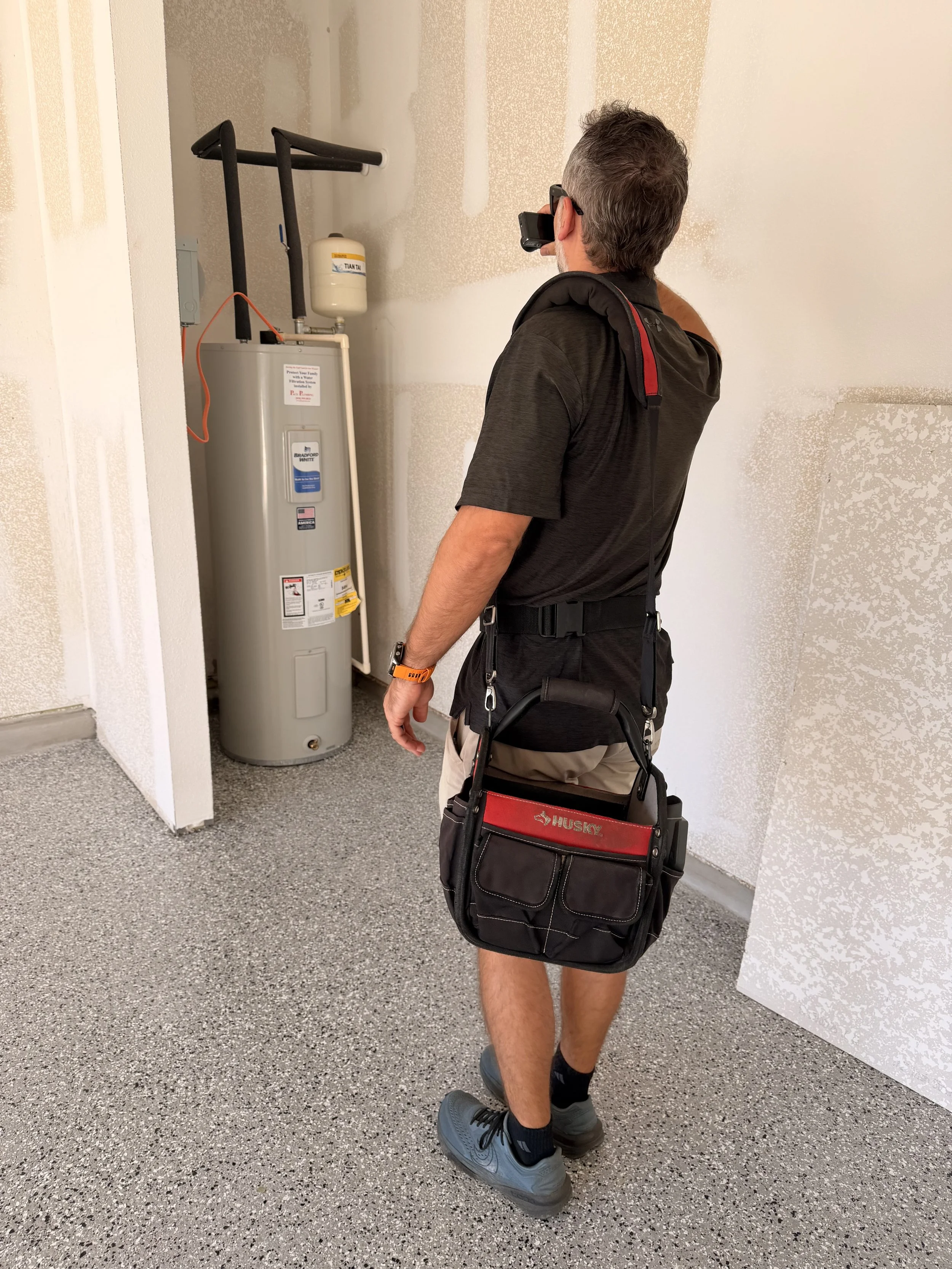
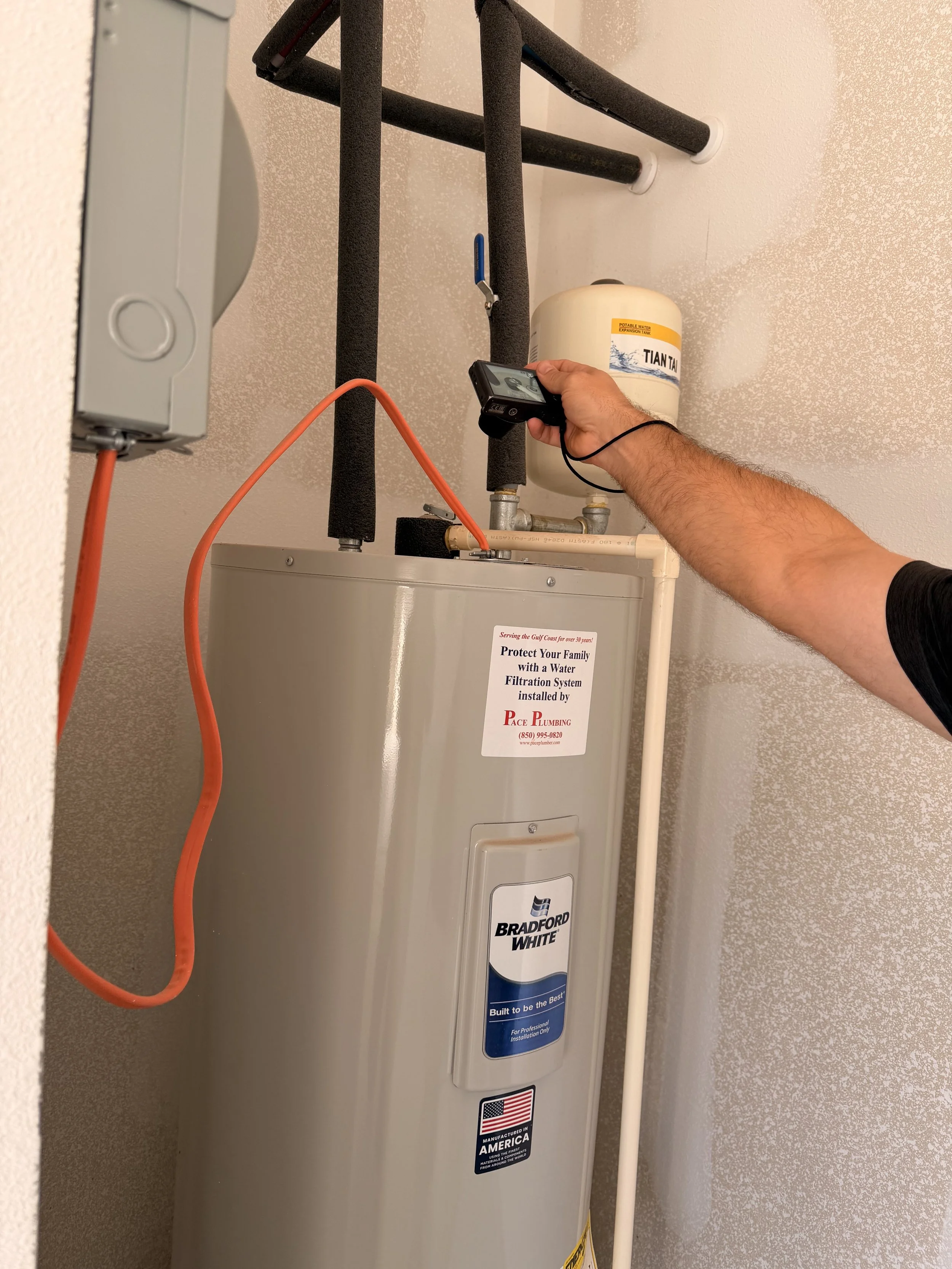
Need a 4-Point Inspection in Pensacola or Northwest Florida?
At Taylor-Made Home Inspections, we help homeowners throughout Pensacola, Pace, Milton, Gulf Breeze, and surrounding Northwest Florida communities document the condition of their home's major systems for insurance purposes.
Whether your insurance company has requested a 4-Point Inspection or you've recently completed important home updates, we're here to help you get the documentation you need.
Schedule Your 4-Point Inspection with Taylor-Made Home Inspections today.